
The design of an office dictates how effectively a team performs. As businesses navigate hybrid work and flexible schedules, the physical workspace remains a critical anchor for collaboration, focus, and corporate culture.
The right office furniture is no longer just a luxury—it is a primary driver of workplace productivity. Upgrading your environment directly influences your team’s energy, focus, and output.
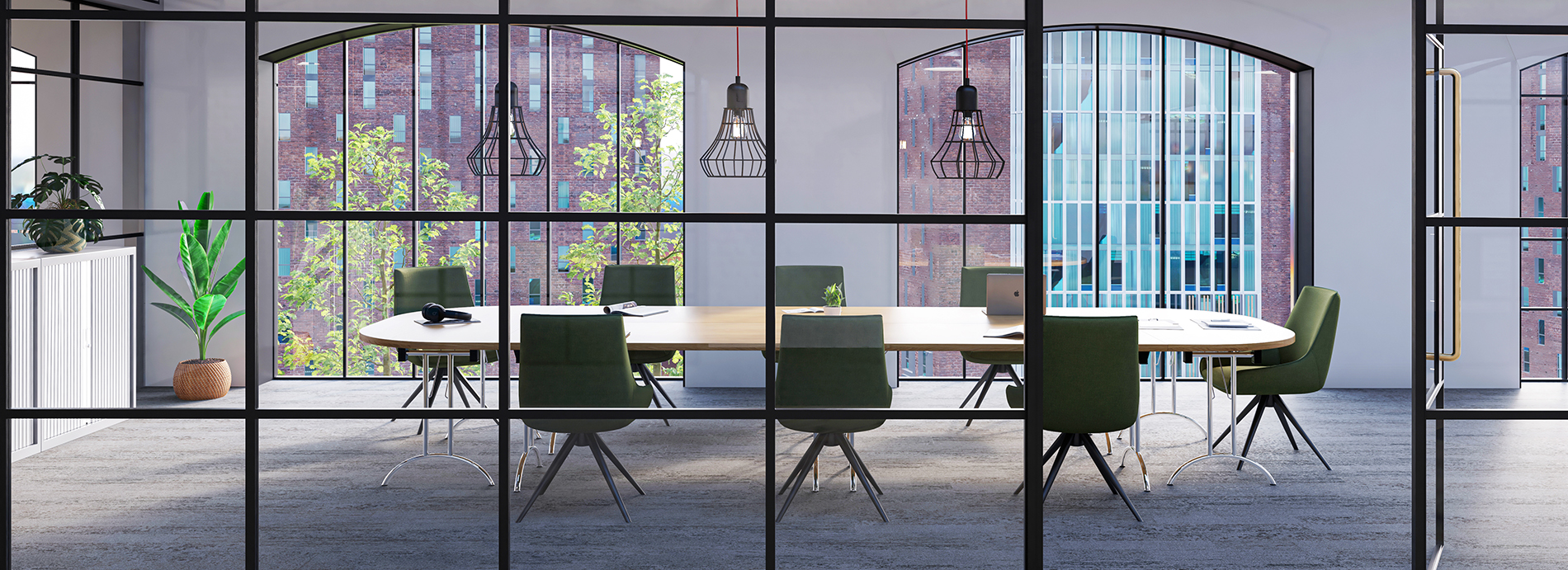
1. Ergonomics: Eliminating the Cost of Discomfort
Physical discomfort is a silent productivity killer. When employees suffer from back strain, neck pain, or fatigue due to poorly designed chairs, their focus shifts away from their work.
- Dynamic Support: High-performance ergonomic task chairs adapt to the user’s body movements, reducing physical stress over long working hours.
- Movement-Based Solutions: Incorporating height-adjustable sit-stand desks encourages movement throughout the day. This simple shift boosts blood circulation, fights afternoon fatigue, and keeps energy levels high.
2. Acoustic Booths and Pods: The Remedy for Distraction
Open-plan offices are excellent for communication, but they are notoriously challenging for tasks requiring deep concentration. Noise pollution and constant visual interruptions can derail a worker’s momentum.
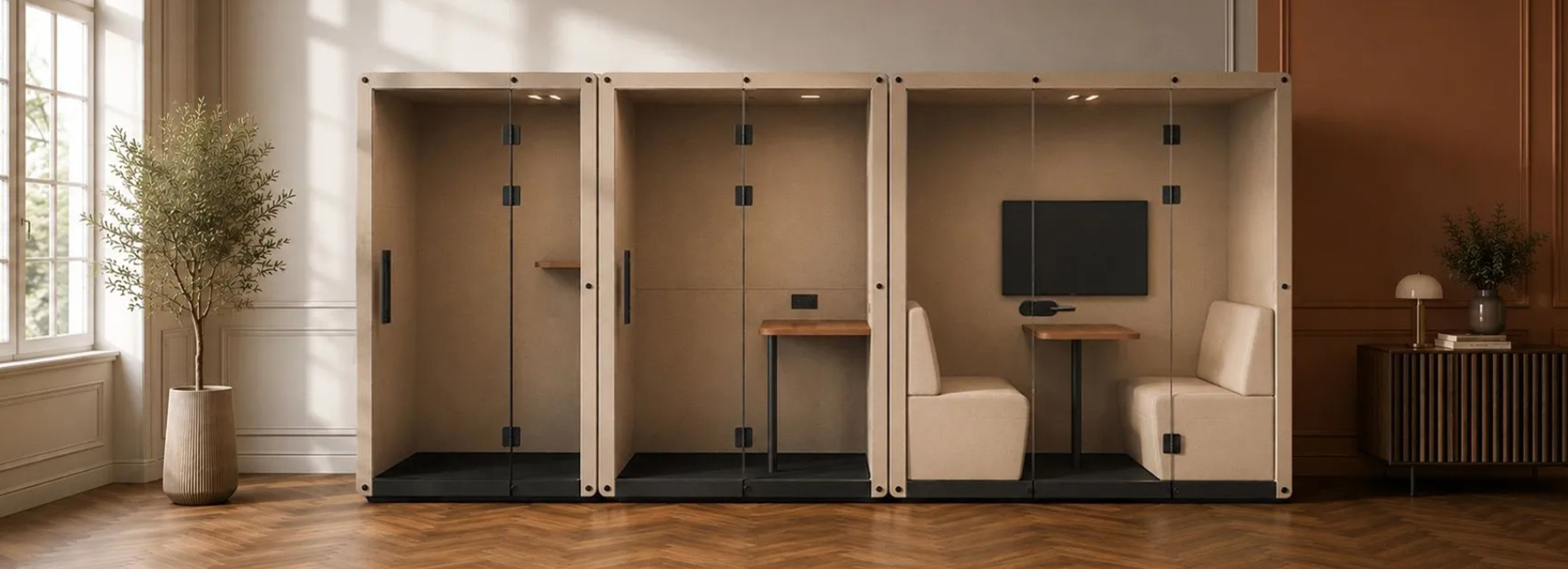
- Dedicated Focus Areas: Standalone acoustic pods provide a quiet sanctuary where an individual can dive into complex tasks without distraction.
- Private Communication Spaces: Micro-booths give team members an isolated space to take video calls or phone clients, keeping conversational noise off the main office floor.
3. Zoned Environments for Diverse Work Styles
A uniform desk layout assumes every employee works the same way, but maximum productivity requires a mix of settings. Modern office furniture allows you to “zone” your workspace effectively.
- Collaborative Hubs: Modular soft seating, integrated power media tables, and breakout benches make it easy for teams to hold impromptu brainstorming sessions.
- Quiet Zones: High-backed banquette seating and privacy screens offer semi-private enclaves for individuals who need a change of scenery to clear their minds and refocus.
4. Psychological Impact: Aesthetic and Well-Being
The visual appeal and layout of an office have a profound psychological impact on morale. A bright, thoughtfully furnished office makes employees feel valued and inspired.
- Decluttered Clean Lines: Streamlined desks with integrated cable management remove visual clutter, which helps reduce cognitive load and workplace stress.
- Biophilic and Natural Accents: Choosing warm wood finishes, fabric textures, and furniture arrangements that maximize natural light helps create a calmer, more welcoming atmosphere.
Summary: The ROI of Well-Designed Office Furniture
| Furniture Type | Productivity Barrier Solved | Direct Workplace Benefit |
|---|---|---|
| Ergonomic Seating & Sit-Stand Desks | Physical fatigue, back strain, and lethargy | Sustained energy levels and reduced absenteeism |
| Acoustic Pods & Booths | Noise distractions and interrupted focus | Faster task completion and better concentration |
| Modular Breakout Furniture | Rigid layouts that stifle collaboration | Faster problem-solving and stronger team cohesion |
| Integrated Power & Cable Desking | Visual clutter and technical friction | Seamless transitions between tasks and lower stress |